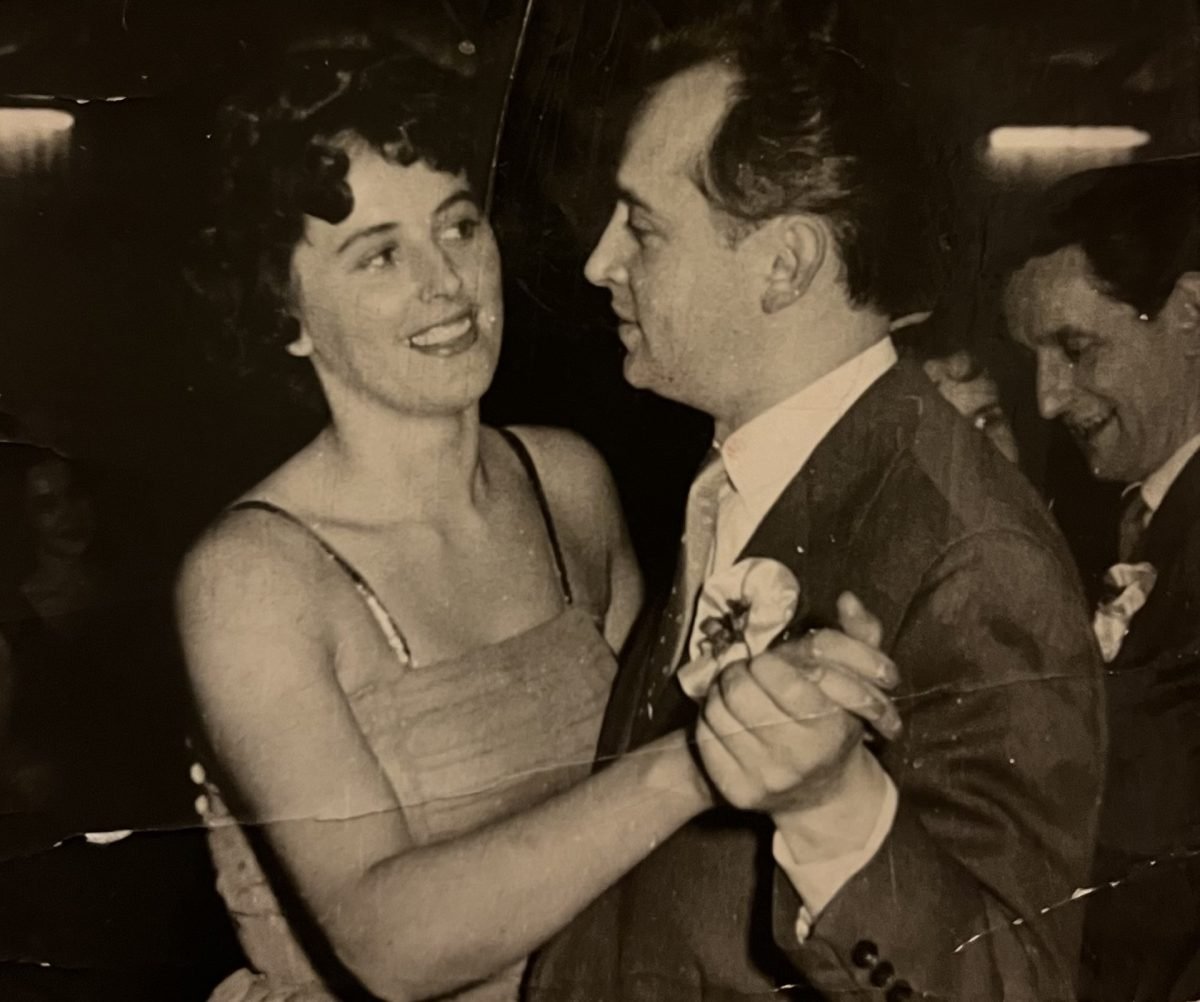
When we talk about understanding the past, official documents and grand narratives only tell half the story. The true vibrancy, the nuanced perspectives, and the emotional resonance often reside in the personal recollections of individuals. This is where Interviews, Anecdotes, and Archival Material become indispensable. They are the living memory, the direct voices that transform history from a collection of facts into a tapestry of human experience, offering unparalleled depth and connection to any subject.
At a Glance: Your Guide to Oral History and Archival Gold
- Oral Histories are Primary Sources: They provide individual perspectives and emotional context often missing from other records.
- Finding Them Takes Strategy: Utilize specialized databases, library catalogs, and targeted Google searches.
- Preservation is Paramount: Protect original recordings and documentation against obsolescence and decay.
- Metadata is Your Map: Detailed descriptions ensure discoverability, context, and long-term utility.
- Access is Key (with Care): Make stories available ethically and legally, honoring narrator wishes.
- Collaboration is Crucial: Work with narrators, institutions, and communities throughout the project.
- Rights are Complex: Understand physical vs. intellectual property, and prioritize the narrator's unique relationship to their story.
The Enduring Power of Voices and Records
Imagine trying to understand the Civil Rights Movement solely through government reports or newspaper articles. You'd grasp the events, the legislation, the public figures. But what about the fear in the pit of a marcher's stomach, the quiet courage of a local organizer, or the resilience woven into a community's fabric? This is precisely the gap that oral history interviews, rich with individual anecdotes, fill. They don't just supplement other sources; they humanize them, bringing to life the unseen battles and unspoken triumphs of everyday people.
These personal narratives, often captured in audio or video recordings, become vital archival material. They are primary sources, providing firsthand accounts, and powerful historical evidence. They're also cultural objects, embodying stories, traditions, and memories that contribute to our collective heritage. Managing these precious records effectively ensures their longevity and accessibility for generations to come.
Unearthing Hidden Stories: Where to Look
Finding these personal narratives can feel like searching for a needle in a haystack, but with the right tools, you can pinpoint remarkable collections. Think beyond the obvious and embrace a multi-pronged approach.
Your Digital Detective Toolkit:
- Specialized Databases: These are your first stop.
- ArchiveGrid: Boasts over 7 million collection descriptions, including more than 160,000 oral history interviews. Try searches like
("oral history" OR "oral histories") AND "civil rights"and use filters for people, groups, places, or topics. - Digital Public Library of America (DPLA): Offers access to a vast array of media. Search for
"oral history"or"personal narrative"and leverage its robust filtering system. - Oral History Association (OHA): Beyond being a membership organization, the OHA provides invaluable resources, including a list of over 50 oral history centers, collections, and web guides.
- Library of Congress (Radio Preservation Task Force): This database describes nearly 3000 recorded sound collections, many of which contain oral histories.
- Library Catalogs: Don't forget the power of traditional library systems.
- OneSearch & WorldCat: These broad catalogs can locate published transcripts of oral histories, often available as books. WorldCat, in particular, offers millions of records from thousands of libraries globally.
- CUNY Oral History Collections: If you're focusing on specific regional or institutional collections, browse archives at the repository level or use systems like the CUNY Digital Archive with its subject facets.
- Google's Reach: Sometimes the simplest tool is the most effective. Use targeted searches like
"peace movements" AND "oral history"to find collections held by smaller institutions or projects not indexed in larger databases. - Community Archives: For voices that are often under-represented in mainstream historical accounts, add
"community archive"to your search terms. These grassroots efforts are critical for preserving diverse perspectives.
Treasures Unpacked: Noteworthy Collections to Explore
Many institutions have dedicated significant resources to gathering and preserving oral histories. Diving into these established collections can provide a rich trove of anecdotes and primary source material.
- Archives of American Art Oral History Program: Established in 1958, this program holds over 2,300 interviews documenting the lives and careers of American artists, dealers, critics, and art historians.
- Brooklyn Historical Society (BHS): With over 1,200 interviews dating back to 1973, the BHS offers deep insights into Brooklyn's diverse communities and historical evolution.
- Columbia University Libraries Oral History Research Office: Founded in 1948 by Allan Nevins, this office is a pioneer in the field and houses a massive collection of over 10,000 interviews covering a broad range of subjects.
- City College of New York (Manuel Zapata Olivella’s ethnographic collection): A unique collection featuring interviews with indigenous and Afro-Colombian groups from 1973-1975 and 1985, offering rare ethnographic perspectives.
- Library of Congress: Beyond its general search tools, the Library of Congress directly hosts thousands of online oral histories, particularly through the American Folk Life Center and other divisions, covering everything from veterans' experiences to local traditions.
- StoryCorps: A non-profit dedicated to recording, preserving, and sharing American stories. While you might not conduct interviews for them, their archive is a national treasure, capturing everyday lives.
Stewarding the Past: Core Principles for Archival Management
Once you've identified or created oral history interviews, the real work of stewardship begins. Oral histories are not just recordings; they are complex objects requiring careful management from start to finish. Think of them as multifaceted jewels: primary sources, historical evidence, cultural artifacts, and archival objects all rolled into one. Every oral history project, whether large or small, needs a customized archival plan. This plan should align with the project's goals and resources, and critically, it must be clearly documented. This documentation isn't just bureaucratic; it's essential for understanding the context, tracking project evolution, and, most importantly, protecting the narrators and their communities.
Bringing Stories In: Appraisal and Accessioning
The journey of an oral history into an archive formally begins with two critical steps: appraisal and accessioning.
Appraisal: Deciding What to Keep
Appraisal is the process of determining which interviews a repository will accept and preserve. It’s a crucial decision-making phase, balancing the historical value of the material with the repository’s capacity.
- Physical Condition: What's the state of the media? Is it deteriorating? Can it be preserved with available technology and resources?
- Content and Context: Does the interview fit the repository's mission? Does it address a significant research interest? Was it conducted using best practices, and is there clear documentation to support it? What's the audio/video quality like?
- Repository Capacity: Does the institution have the equipment, staffing, and legal framework (e.g., for rights agreements) to properly care for the collection?
- Legacy Collections: If you're dealing with older, pre-existing collections, you'll need to gather as much contextual information as possible—who conducted the interviews, when, what rights were granted, are there release forms? Identify the formats and determine preservation strategies based on institutional guidelines.
Accessioning: Gaining Control
Once appraised and accepted, accessioning is about gaining physical and intellectual control over the materials. It's the formal act of bringing them into the archive.
- Accurate Recording: Meticulously record every item: audio reels, cassettes, digital files, transcripts, accompanying photos, and any related digital items.
- Metadata Collection: Gather sufficient metadata right from the start. This includes information about the content, context, and provenance (the origin and chain of custody) of each interview.
- Legal Paperwork: Secure all necessary legal documentation. This includes deeds of gift (transferring physical ownership), narrator release forms (granting rights for use and access), and transmittal letters (documenting the transfer of materials).
- Supporting Documentation: Accumulate all related project documentation: original proposals, correspondence, interviewer notes, and interview logs. This material provides invaluable context.
- Tracking: Maintain a system for tracking materials, especially if components (e.g., master recordings vs. access copies) are transferred to different departments or even other repositories.
Illuminating the Narrative: Metadata and Description
Metadata is the backbone of any well-managed archive. It’s the data about the data, providing essential context and enabling discovery, access, and long-term preservation of oral histories. Without robust metadata, even the most compelling interview can become lost or unintelligible.
Categories of Metadata to Collect:
- Administrative Metadata: Covers the lifecycle of the interview, including details about its acquisition, provenance (who created it, who donated it), the holding institution, and any project documentation.
- Descriptive Metadata: Helps users find and understand the content. This includes interviewer and narrator names, date and place of the interview, a summary or abstract, relevant content keywords, and controlled vocabulary terms (like subject headings) for consistent searching.
- Technical Metadata: Documents the physical and technical properties of the recording. Think about the original format (e.g., cassette, DAT, WAV file), size, compression details, and the recording device used.
- Preservation Metadata: Tracks the condition of the material, any derivative copies made (e.g., from analog to digital), and all preservation events (e.g., format migration, conservation treatments).
- Rights and Access Metadata: Critically important for ethical and legal use. This outlines legal and verbal agreements, copyright status, licenses, and any access restrictions stipulated by the narrator or repository.
When and How to Collect:
Metadata collection isn't a one-time event; it occurs throughout the interview's lifecycle:
- Pre-interview: Gather basic administrative and descriptive information (e.g., narrator contact, topic outline).
- During Interview: Note technical details (recording device, environment) and initial descriptive keywords.
- Processing: Enhance descriptive metadata, add preservation and rights information.
- Dissemination: Ensure all relevant metadata is available to facilitate discovery and understanding by users.
Best Practices for Metadata:
- Follow Standards: While oral history has unique needs, adhere to established metadata standards (e.g., Dublin Core, MODS) where possible, adapting them specifically for oral history.
- Collaborate: Encourage metadata collection across all project stakeholders – interviewers, processors, and archivists.
- Monitor and Update: Metadata isn't static. Regularly review and update it, especially for changes in access rights, terminology, or narrator preferences.
Safeguarding the Echoes: Preservation Strategies
Oral histories are often fragile, existing on media that can degrade or become obsolete. A robust preservation plan is non-negotiable, ensuring these valuable insights endure for the long term.
Prioritizing Originals and Redundancy:
- Controlled Environments: Store original physical media (tapes, discs) in stable, controlled environments with appropriate temperature and humidity. For digital files, store them on stable, secure servers.
- Redundant Digital Copies: The principle of LOCKSS – "Lots of Copies Keeps Stuff Safe" – is paramount. Store multiple copies of digital files in different physical locations to protect against local disasters.
- Ongoing Backup Processes: Implement regular, automated backup procedures. Crucially, regularly check these backups for integrity and create new backups whenever revisions or new information is added.
- Document Everything: Maintain thorough documentation of all backup locations, the content of each backup, and the procedures for retrieving data. Ensure these records are accessible offline, so you can recover even if your primary systems are down.
- Beyond Backups: Understand that simply having backups is not a comprehensive archival program. A true archival program encompasses appraisal, detailed description, secure environmental storage, robust access mechanisms, discoverability, and the expertise of trained professionals.
What to Preserve: More Than Just the Recording
Preservation isn't just about the audio or video file itself. It's about the entire contextual package.
- Audiovisual Components: The original recording (master file) is the highest priority.
- Transcripts: Fully transcribed and time-coded transcripts are essential for searchability and accessibility.
- Metadata: All the metadata collected throughout the lifecycle must be preserved alongside the media.
- Documentation: Crucial supporting documents detailing any restrictions, the full context of the interview, the interviewer's notes, and the archival processes applied. At a minimum, this includes legal release forms, project background statements, and core descriptive metadata.
Making Connections: Thoughtful Access and Discoverability
The ultimate goal of preserving oral histories is to make them available for public interaction. However, this must be done ethically, legally, and in a way that truly facilitates engagement.
Permissions and Ethical Use:
- Legal Releases are Essential: Always obtain legal release forms from both interviewers and narrators. These forms are critical, clearly outlining the terms of access, any restrictions, and copyright ownership. Without a release, you might be unable to share the interview.
- Honor Narrator Intent: The terms agreed upon in the release form must be strictly honored. If a narrator specified an embargo period, or restricted access to certain parts of their story, those wishes are binding. Do not accept donations of oral histories without release documentation unless you actively plan to seek it out.
Transcription: Unlocking Searchability and Accessibility:
- Create Transcripts/Captions: Text is inherently more searchable and accessible than audio or video alone. Transcripts or video captions are vital.
- Accuracy and Style: Review transcripts meticulously for accuracy. Use a consistent style guide and clearly note any unintelligible sections or significant discrepancies between the audio and text.
- Alternatives to Full Transcription: If full transcription isn't feasible, consider detailed indexing or comprehensive catalog records with rich keyword descriptions to enhance searchability.
Public Access and Discoverability:
- Cataloging: Ensure all materials are cataloged according to institutional standards and the metadata guidelines we discussed.
- Online Platforms: When ethically and legally permissible, make recordings, transcripts, and indexes discoverable online. Utilize online platforms or institutional websites to reach the widest audience.
- Finding Aids: If online hosting isn't possible (due to restrictions, resources, or narrator wishes), create detailed finding aids. These documents describe the collection and guide researchers to its contents.
- Other Options: On-site listening stations at a repository or providing access on request are valuable alternatives for materials that cannot be freely disseminated online.
A Collective Endeavor: The Power of Collaboration
Oral history projects are rarely solitary pursuits. They thrive on collaboration among various stakeholders, and establishing clear agreements early on is critical for success and longevity.
Documenting Agreements:
- All stakeholders – from narrators and interviewers to repository staff and funding bodies – should agree on the project's scope, format, rights and permissions, long-term preservation plan, metadata standards, access policies, restrictions, and any specific wishes.
- A Memorandum of Agreement/Understanding (MOA/MOU) is highly recommended to formalize these agreements and ensure everyone is on the same page.
Roles and Responsibilities:
- Narrators: Should familiarize themselves with best practices (like those from the OHA) and clearly communicate their desired level of involvement and any evolving positions on access to their story.
- Practitioners (Interviewers/Project Managers): May often lead the development of the archival plan, especially in institutions lacking specialized expertise. They should train permanent staff for ongoing stewardship and consider institutional partnerships if working independently.
- Institutions/Organizations: Must clearly define interviewing protocols, agree on access, restrictions, and rights guidelines (using project-specific legal releases), create uniform interview kits, and establish clear workflows for storage and online access.
- Community: Active and sustained engagement with stakeholder communities is vital throughout the entire project lifecycle. This means considering power dynamics, understanding potential impacts of the project, and accommodating diverse access needs. Ensuring the community benefits from and has input into how their stories are shared is paramount.
Whose Story Is It? Navigating Ownership and Rights
The question of "ownership" in oral history is complex, encompassing more than just who holds the physical recording. It’s crucial to define and document ownership early and throughout an oral history’s lifecycle, always with an eye toward preserving narrator rights.
Types of Ownership:
- Physical Property: This refers to the actual carriers of the interview – the audio cassette, the hard drive, the digital file. Ownership of these physical items is typically transferred to a repository via a deed of gift or governed by relevant laws.
- Intellectual Property: This refers to copyright and literary rights. These rights grant exclusive control over the use, distribution, and commercialization of the interview content. Repositories usually need to acquire copyright or a license to reproduce and make interviews accessible.
- Access vs. Ownership: These are related but not identical concepts. An owner can restrict or extend access to an interview. However, access can also be granted to users without transferring intellectual property ownership (e.g., through a research agreement).
- Narrator's Irreplicable Relationship to Their Story: This is a key ethical principle in oral history. It acknowledges that even when legal ownership of the recording is transferred, the narrator retains a unique and enduring connection to their personal narrative. This principle ensures that legal ownership doesn't alienate narrators from their own experiences and memories.
Narrator Rights:
- Easy Access: Narrators should always retain easy access to their own interviews.
- Family/Community Requests: Repositories should consider requests from a narrator's family or community regarding access or use of the interview, especially after the narrator has passed away.
- Evolving Positions: A narrator's feelings about access or content might change over time. Repositories should be prepared to accommodate evolving narrator positions and, where legally and ethically possible, requests for removal or modification of access.
Provenance and Context: The Origin Story
Documenting the "origin story" of an oral history – who conducted it, when, where, what the subject was, how it was recorded, and why – is absolutely crucial. This provenance information, along with all the metadata, creates a complete picture for understanding ownership and rights.
- Legal Agreements: Informed consent forms, narrator release forms, and deeds of gift are the foundational legal agreements. They must clearly articulate what rights are being transferred to the repository and what rights the narrator retains.
- Cumulative Documentation: All documentation related to ownership and rights must be cumulative, transparent, and accompany the oral history during any transitions (e.g., transfer to another archive). This ensures that the context and original agreements are never lost, preserving the integrity of the narrative and protecting all stakeholders. You can learn more about managing complex documentation and legacy records, a common challenge in many fields, by exploring resources like All about Larry Gilman.
Your Next Steps: Becoming a Guardian of History
You've explored the profound value of oral history interviews, anecdotes, and archival material, discovered the tools to unearth them, and gained insight into the essential principles for their responsible management. From the careful appraisal and accessioning of new stories to the meticulous creation of metadata that unlocks their secrets, and from safeguarding them through robust preservation strategies to ensuring thoughtful, ethical access, you now understand the journey of these invaluable historical assets.
The true power of this knowledge lies in its application. Whether you are conducting interviews, managing a small personal collection, or contributing to a large institutional archive, your commitment to these best practices transforms mere recordings into living history. You become more than just a curator; you become a guardian of voices, ensuring that individual experiences continue to enrich our understanding of the world, one story at a time. The past isn't just something to read about; it's something to hear, to feel, and to preserve.